<?xml version="1.0" encoding="UTF-8"?>
<rss version="2.0"
	xmlns:content="http://purl.org/rss/1.0/modules/content/"
	xmlns:wfw="http://wellformedweb.org/CommentAPI/"
	xmlns:dc="http://purl.org/dc/elements/1.1/"
	xmlns:atom="http://www.w3.org/2005/Atom"
	xmlns:sy="http://purl.org/rss/1.0/modules/syndication/"
	xmlns:slash="http://purl.org/rss/1.0/modules/slash/"
	>

<channel>
	<title>No More Heart Disease &#187; Energy Production</title>
	<atom:link href="http://no-more-heart-disease.com/tag/energy-production/feed/" rel="self" type="application/rss+xml" />
	<link>http://no-more-heart-disease.com</link>
	<description>Learning How To Prevent Heart Disease</description>
	<lastBuildDate>Mon, 14 Nov 2011 21:21:17 +0000</lastBuildDate>
	<language>en</language>
	<sy:updatePeriod>hourly</sy:updatePeriod>
	<sy:updateFrequency>1</sy:updateFrequency>
	<generator>http://wordpress.org/?v=3.2.1</generator>
		<item>
		<title>Strength Training Part 3</title>
		<link>http://no-more-heart-disease.com/strength-training-part-3/</link>
		<comments>http://no-more-heart-disease.com/strength-training-part-3/#comments</comments>
		<pubDate>Mon, 16 Aug 2010 14:33:45 +0000</pubDate>
		<dc:creator>Dan Hammer</dc:creator>
				<category><![CDATA[Athletic Performance]]></category>
		<category><![CDATA[Endothelial Cells]]></category>
		<category><![CDATA[Nitric Oxide]]></category>
		<category><![CDATA[ProArgi-9 Plus]]></category>
		<category><![CDATA[Aerobic Respiration]]></category>
		<category><![CDATA[Amino Acids]]></category>
		<category><![CDATA[Anaerobic Respiration]]></category>
		<category><![CDATA[Capillary Beds]]></category>
		<category><![CDATA[Carbon Dioxide]]></category>
		<category><![CDATA[Circula]]></category>
		<category><![CDATA[Critical Factor]]></category>
		<category><![CDATA[Energy Production]]></category>
		<category><![CDATA[Hemoglobin Molecules]]></category>
		<category><![CDATA[Human Performance]]></category>
		<category><![CDATA[Limiting Factor]]></category>
		<category><![CDATA[Muscle Contraction]]></category>
		<category><![CDATA[Muscle Tissues]]></category>
		<category><![CDATA[Muscular Strength And Endurance]]></category>
		<category><![CDATA[Performance Training]]></category>
		<category><![CDATA[Red Blood Cells]]></category>
		<category><![CDATA[Speed Endurance]]></category>
		<category><![CDATA[Strength Training]]></category>
		<category><![CDATA[Strength Training Program]]></category>
		<category><![CDATA[Units Of Energy]]></category>

		<guid isPermaLink="false">http://no-more-heart-disease.com/?p=1953</guid>
		<description><![CDATA[Addressing the One Critical Factor That Makes ALL the Difference for Enhanced Strength Training!
<p style="text-align: left; margin-bottom: 0in;">In Part 1 of Strength Training we discovered how little attention is paid to the health of your endothelial cells and their importance to athletic performance. In Part 2 we learned how the endothelial cells create capillary beds [...]]]></description>
			<content:encoded><![CDATA[<h1><span style="color: #dc2300;"><span style="font-family: Georgia, serif;"><span style="font-size: x-large;"><strong><img class="alignleft size-medium wp-image-1923" title="People exercising at the gym" src="http://no-more-heart-disease.com/wp-content/uploads/2010/08/bigstock_People_Exercising_At_The_Gym_4370761-207x300.jpg" alt="Strength Training" width="207" height="300" />Addressing the </strong></span></span></span><span style="color: #dc2300;"><span style="font-family: Georgia, serif;"><span style="font-size: x-large;"><span style="text-decoration: none;"><strong><span style="background: #ffffff;">One Critical Factor That Makes ALL the Difference</span></strong></span></span></span></span><span style="color: #dc2300;"><span style="font-family: Georgia, serif;"><span style="font-size: x-large;"><strong> for Enhanced Strength Training!</strong></span></span></span></h1>
<p style="text-align: left; margin-bottom: 0in;"><span style="font-family: Georgia, serif;"><span style="font-size: small;"><strong>In Part 1 of Strength Training</strong></span></span><span style="font-family: Georgia, serif;"><span style="font-size: small;"><span style="font-weight: normal;"> we discovered how little attention is paid to the health of your endothelial cells and their importance to athletic performance. </span></span></span><span style="font-family: Georgia, serif;"><span style="font-size: small;"><strong>In Part 2 we learned how</strong></span></span><span style="font-family: Georgia, serif;"><span style="font-size: small;"><span style="font-weight: normal;"> the endothelial cells create capillary beds to improve circulation. We also learned that your endothelial cells create nitric oxide which is critical to blood flow. In this concluding part we are going to put it all together so that you can completely understand how this impacts your training, performance, and recovery in strength training. </span></span></span></p>
<p style="margin-bottom: 0in; font-weight: normal;"><span style="font-family: Georgia, serif;"><span style="font-size: small;">We&#8217;re also going to look at the two critical amino acids needed by your endothelial cells. One you&#8217;ve most likely heard of but the other one is seldom talked about or used, yet it can make a significant difference in all phases of human performance.</span></span></p>
<p style="margin-bottom: 0in;"><span style="font-family: Georgia, serif;"><span style="font-size: large;"><strong><span style="background: #ffffff;">Training for Muscular Strength and Endurance!</span></strong></span></span></p>
<p style="margin-bottom: 0in;"><span style="font-family: Georgia, serif;">There are many different training programs designed to help you build strength, stamina, speed, endurance, and power specific to your strength training goals. </span><span style="font-family: Georgia, serif;"><strong>Foundational to every strength training program is your ability to fuel muscle tissues with the oxygen and nutrients they need to sustain your efforts.</strong></span><span style="font-family: Georgia, serif;"> It also becomes the limiting factor in your athletic performance because of the difference between anaerobic and aerobic energy production and the waste products they produce.</span></p>
<p style="margin-bottom: 0in;"><span style="font-family: Georgia, serif;">In the simplest of terms, 1 unit of glucose will produce 2 units of energy during anaerobic respiration and the resulting waste product is lactic acid. In aerobic respiration 1 unit of glucose will produce 36 units of energy and the resulting waste products are carbon dioxide and water. </span><span style="font-family: Georgia, serif;"><strong><a title="Aerobic Respiration" href="http://no-more-heart-disease.com/energy-production-and-cardiovascular-health/" target="_blank"><span style="color: #000080;">Aerobic respiration produces 18 times more energy</span></a> and its waste products do not negatively affect muscle contraction like lactic acid does. </strong></span><span style="font-family: Georgia, serif;"><span style="font-weight: normal;">Yet, the waste product of carbon dioxide enhances the lungs ability to saturate the hemoglobin molecules of the red blood cells with oxygen. </span></span></p>
<p style="margin-bottom: 0in;"><span style="font-family: Georgia, serif;"><strong>With enhanced circulation, that comes from properly repairing and fueling your endothelial cells to optimize their production of nitric oxide, you are able to keep this ideal metabolic exchange for a longer period of time. </strong></span><span style="font-family: Georgia, serif;"><span style="font-weight: normal;"> </span></span></p>
<p style="margin-bottom: 0in;"><span style="font-family: Georgia, serif;">By properly nourishing your endothelial cells you will help them increase capillary beds to the working muscles, tissues, and organs involved in your strength training program. This will increase their ability to produce nitric oxide, the master signaling molecule of your cardiovascular system. </span><span style="font-family: Georgia, serif;"><strong>These two factors will improve blood flow and deliver more oxygen and nutrients to the working muscles.</strong></span><span style="font-family: Georgia, serif;"> This will allow them to work at a higher aerobic capacity for a longer period of time. This will allow you to work at a higher intensity with less lactic acid formation for quicker recoveries so that subsequent strength training sets can be performed at a higher intensity with less lactic acid buildup. This improves your anaerobic threshold, which is the limiting factor for most people. </span></p>
<p style="margin-bottom: 0in;"><span style="font-family: Georgia, serif;"><strong>Improved blood flow results in improved performance of the working muscles, faster recovery, and better muscle development to maximize your strength training program. </strong></span><span style="font-family: Georgia, serif;"><span style="font-weight: normal;">This applies to both general fitness and specific muscular development for your particular sport.</span></span></p>
<h2 style="text-align: center;"><span style="font-size: large;"><span style="font-family: Georgia, serif;"><strong><span style="background: #ffffff;">Performance in Strength Training!</span></strong></span></span></h2>
<p style="margin-bottom: 0in;"><span style="font-family: Georgia, serif;">While there are many factors that can affect your performance, </span><span style="font-family: Georgia, serif;"><strong>most athletic ability is a product of your training and the ability to properly fuel your body to meet the demands of your event.</strong></span><span style="font-family: Georgia, serif;"> Just like in training, properly nourishing your endothelial cells to improve their ability to properly produce nitric oxide can make a significant difference in your athletic performance. </span></p>
<p style="margin-bottom: 0in;"><span style="font-family: Georgia, serif;"><span style="font-weight: normal;">Critical to your performance will be your body&#8217;s ability to deliver needed oxygen and nutrients to meet the intensity of your event, and to sustain that intensity for as long as needed.</span></span><span style="font-family: Georgia, serif;"> </span><span style="font-family: Georgia, serif;"><strong>By optimizing the health of your endothelial cells you will help improve circulation.</strong></span><span style="font-family: Georgia, serif;"> </span><span style="font-family: Georgia, serif;"><span style="font-weight: normal;">Improved circulation improves the delivery of needed oxygen and nutrients while carrying away the waste products that can be a limiting factor in performance.</span></span><span style="font-family: Georgia, serif;"> Again, you have significantly improved your anaerobic threshold, which is usually the limiting factor for most people in strength training and affects everyone&#8217;s performance.</span></p>
<h3 style="text-align: center;"><span style="font-family: Georgia, serif;"><span style="font-size: large;"><strong><span style="background: #ffffff;">Recovery in Strength Training!</span></strong></span></span></h3>
<p style="margin-bottom: 0in;"><span style="font-family: Georgia, serif;">Just as the endothelial cells, and their ability to properly produce nitric oxide, improve both training and performance, they will also have a positive effect on recovery. </span><span style="font-family: Georgia, serif;"><strong>Recovery is a combination of waste product removal and reloading the muscle tissues with the nutrients they need for repair and energy production.</strong></span><span style="font-family: Georgia, serif;"> Again, this is a function of improved circulation. </span></p>
<p style="margin-bottom: 0in;"><span style="font-family: Georgia, serif;"><strong>When your endothelial cells properly produce nitric oxide for improved circulation, you work at a higher anaerobic threshold, which means less lactic acid production.</strong></span><span style="font-family: Georgia, serif;"> With improved circulation it&#8217;s easier to remove this limiting waste product to speed recovery. Improved circulation also delivers the needed nutrients to reload the muscle tissue and facilitate any tissue repair. All of this means quicker recovery from both your strength training and performance activities.</span></p>
<h4 style="text-align: center;"><span style="font-family: Georgia, serif;"><span style="font-size: large;"><strong><span style="background: #ffffff;">Two Critical Amino Acids for Strength Training!</span></strong></span></span></h4>
<p style="margin-bottom: 0in;"><span style="font-family: Georgia, serif;">There are two amino acids that are critical to properly nourishing and repairing your endothelial cells to optimize their ability to produce nitric oxide. </span><span style="font-family: Georgia, serif;"><strong>They are L-arginine and L-citrulline.</strong></span><span style="font-family: Georgia, serif;"> Many have heard of L-arginine since there is a wealth of information and products in the marketplace. </span><span style="font-family: Georgia, serif;"><strong>Few have heard of L-citrulline yet it is just as important to the health of your endothelial cells as L-arginine.</strong></span></p>
<p style="margin-bottom: 0in;"><span style="font-family: Georgia, serif;"><strong>The essential amino acid L-arginine </strong></span><span style="font-family: Georgia, serif;">is found in foods like eggs, tuna, chicken, peanuts, and beans. However, when isolated and properly brought into the body, L-arginine has the ability to produce some remarkable results. Specific to strength training, research shows the following benefits:</span></p>
<ul>
<li>
<p style="margin-bottom: 0in;"><span style="font-family: Georgia, serif;"><strong>Precursor for the synthesis of nitric oxide.</strong></span></p>
</li>
<li>
<p style="margin-bottom: 0in;"><span style="font-family: Georgia, serif;"><strong>Stimulates growth hormone, which is essential for large muscle mass, multi joint exercises, as well as high power exercises.</strong></span></p>
</li>
<li>
<p style="margin-bottom: 0in;"><span style="font-family: Georgia, serif;"><strong>Improves blood circulation and aids in blood pressure regulation.</strong></span></p>
</li>
<li>
<p style="margin-bottom: 0in;"><span style="font-family: Georgia, serif;"><strong>Improves insulin sensitivity to help normalize blood sugar and replenish post workout glycogen stores.</strong></span></p>
</li>
<li>
<p style="margin-bottom: 0in;"><span style="font-family: Georgia, serif;"><strong>Supports protein synthesis.</strong></span></p>
</li>
</ul>
<p style="margin-bottom: 0in;"><span style="font-family: Georgia, serif;">Your endothelial cells use L-arginine to create nitric oxide. Most research indicates that for you to receive a therapeutic effect you need to consume at least 5 grams of pharmaceutical grade L-arginine. </span><span style="font-family: Georgia, serif;"><strong>This means both the quantity and quality of L-arginine used is extremely important.</strong></span><span style="font-family: Georgia, serif;"> </span></p>
<p style="margin-bottom: 0in;"><span style="font-family: Georgia, serif;"><strong>The amino acid L-citrulline</strong></span><span style="font-family: Georgia, serif;"> is very hard to obtain from food alone so supplementation is the best option. Most vascular researchers will tell you that L-citrulline is equally important, maybe even more important, than L-arginine because it significantly extends the ability of the endothelial cells to properly produce nitric oxide. </span></p>
<p style="margin-bottom: 0in;"><span style="font-family: Georgia, serif;">Typically, a therapeutic level of L-arginine creates a 30 minute to 2 hour window of improved nitric oxide production. </span><span style="font-family: Georgia, serif;"><strong>By including the proper amount of L-citrulline you can extend this improved nitric oxide production to 24 to 36 hours.</strong></span><span style="font-family: Georgia, serif;"> This extended window of improved nitric oxide production allows for significant health benefits. This helps to repair the endothelial cells so that they can work optimally. </span><span style="font-family: Georgia, serif;"><strong>This provides improved blood flow so that muscles, tissues, and organs that have been used during all phases of strength training can recover quicker for better results.</strong></span></p>
<p style="margin-bottom: 0in;"><span style="font-family: Georgia, serif;">Additionally, L-citrulline can bypass the destructive nature of the enzyme arginase that everyone carries in their blood stream. Arginase destroys L-arginine, which can limit nitric oxide production. </span><span style="font-family: Georgia, serif;"><strong>L-citrulline provides an alternative pathway for the endothelial cells</strong></span><span style="font-family: Georgia, serif;"> to convert L-citrulline to L-arginine for improved nitric oxide production. </span><span style="font-family: Georgia, serif;"><strong>This is especially important for African Americans</strong></span><span style="font-family: Georgia, serif;"> since they have a genetic predisposition for carrying higher levels of arginase in their bloodstream.</span></p>
<p style="margin-bottom: 0in;"><span style="font-family: Georgia, serif;">Unfortunately, most L-arginine products sold as nitric oxide enhancers do not include this critical amino acid L-citrulline.</span></p>
<h5 style="text-align: center;"><span style="font-size: large;"><span style="font-family: Georgia, serif;"><strong><span style="background: #ffffff;"><img class="alignleft size-full wp-image-36" title="ProArgi-9 Plus" src="http://no-more-heart-disease.com/wp-content/uploads/2009/07/zstore_new_proargi9.png" alt="ProArgi-9 Plus" width="138" height="172" /><span style="color: #000080;">ProArgi-9 Plus</span> for Strength Training!</span></strong></span></span></h5>
<p style="margin-bottom: 0in;"><span style="color: #000080;"><span style="font-family: Georgia, serif;"><strong><a title="ProArgi-9 Plus" href="http://no-more-heart-disease.com/proargi-9-plus/" target="_blank">ProArgi-9 Plus</a></strong></span></span><span style="font-family: Georgia, serif;"> is a clinically proven, natural, nutritional supplement that is uniquely designed to repair the endothelial cells that line all of your cardiovascular system to improve their ability to create nitric oxide. This product was originally designed for clinical use for those with cardiovascular health issues. It has both long term and short term clinical results. </span><span style="font-family: Georgia, serif;"><strong>Results that have clearly demonstrated </strong></span><span style="color: #000080;"><span style="font-family: Georgia, serif;"><strong><a title="ProArgi-9 Plus" href="http://no-more-heart-disease.com/proargi-9-plus/" target="_blank">ProArgi-9 Plus</a>&#8216;</strong></span></span><span style="font-family: Georgia, serif;"><strong> ability to remarkably improve the health of the endothelial cells and enhance their ability to create nitric oxide.</strong></span><span style="font-family: Georgia, serif;"> This has resulted in dramatically improving circulation and eliminating or substantially reducing cardiovascular challenges. </span></p>
<p style="margin-bottom: 0in;"><span style="font-family: Georgia, serif;">As this product has been applied to strength training it has produced remarkable improvements for athletes. </span><span style="font-family: Georgia, serif;"><strong>Improved training, improved performance, and improved recovery have all been noted by those who have made </strong></span><span style="color: #000080;"><span style="font-family: Georgia, serif;"><strong><a title="ProArgi-9 Plus" href="http://no-more-heart-disease.com/proargi-9-plus/" target="_blank">ProArgi-9 Plus</a></strong></span></span><span style="font-family: Georgia, serif;"><strong> a part of their nutritional program.</strong></span><span style="font-family: Georgia, serif;"> Most athletes will take 1 ½ to 2 scoops of </span><span style="color: #000080;"><span style="font-family: Georgia, serif;"><strong><a title="ProArgi-9 Plus" href="http://no-more-heart-disease.com/proargi-9-plus/" target="_blank">ProArgi-9 Plus</a></strong></span></span><span style="font-family: Georgia, serif;"> approximately 30 minutes prior to their workout or performance. By the time they have completed their warm up it&#8217;s in their system to help provide their endothelial cells with the necessary ingredients for improved nitric oxide production. It then significantly enhances their ability to work at higher intensity levels with less lactic acid formation for quicker recoveries. </span><span style="font-family: Georgia, serif;"><strong>Because </strong></span><span style="color: #000080;"><span style="font-family: Georgia, serif;"><strong><a title="ProArgi-9 Plus" href="http://no-more-heart-disease.com/proargi-9-plus/" target="_blank">ProArgi-9 Plus</a></strong></span></span><span style="font-family: Georgia, serif;"><strong> includes L-citrulline it helps to enhance the body&#8217;s ability to repair so that recovery is quicker. </strong></span></p>
<p style="margin-bottom: 0in;"><span style="font-family: Georgia, serif;"><span style="font-weight: normal;">This overall improvement in training, performance, and recovery has helped those who strength train see significant gains in the gym and during their athletic performance. This Nobel Prize winning information in the area of </span></span><span style="font-family: Georgia, serif;"><span style="font-size: small;"><span style="font-weight: normal;">anatomy, biochemistry, and nutrition has produced documented clinical results for improved cardiovascular health. </span></span></span><span style="font-family: Georgia, serif;"><span style="font-size: small;"><strong>This same information can also be applied to strength training to enhance all phases of your athletic performance.</strong></span></span></p>
<p><span style="font-family: Arial, sans-serif;"><span style="font-size: large;"><strong>Together we can work to save a million lives!</strong></span></span></p>
<p style="margin-bottom: 0in;"><span style="font-family: Arial, sans-serif;">Dan Hammer</span></p>
<p style="margin-bottom: 0in;"><span style="font-family: Arial, sans-serif;">Dan@agingnomore.com</span></p>
<p style="margin-bottom: 0in;"><span style="font-family: Arial, sans-serif;">630-936-8079</span></p>
<p style="margin-bottom: 0in;"><span style="font-family: Arial, sans-serif;"><strong>Dan Hammer has a background in biology, chemistry, and exercise physiology. He used to run one of the largest health club operations in the Chicagoland area and has been helping people with their wellness issues for more than 25 years. </strong></span></p>
<h6><span style="font-family: Georgia, serif;"><span style="font-size: x-small;">The information contained in this article is for general information purposes only and never as a substitute for professional medical advice or medical exam. The information about strength training contained in this article has not been evaluated by the Food and Drug Administration and should not be used to diagnose, treat, cure or prevent any disease without the supervision of a qualified medical doctor.</span></span></h6>
<p style="margin-bottom: 0in;">
]]></content:encoded>
			<wfw:commentRss>http://no-more-heart-disease.com/strength-training-part-3/feed/</wfw:commentRss>
		<slash:comments>0</slash:comments>
		</item>
		<item>
		<title>Oxygen, Free Radicals, and Antioxidants!</title>
		<link>http://no-more-heart-disease.com/oxygen-free-radicals-and-antioxidants/</link>
		<comments>http://no-more-heart-disease.com/oxygen-free-radicals-and-antioxidants/#comments</comments>
		<pubDate>Thu, 08 Jul 2010 00:49:10 +0000</pubDate>
		<dc:creator>Dan Hammer</dc:creator>
				<category><![CDATA[Heart Disease]]></category>
		<category><![CDATA[Aerobic Respiration]]></category>
		<category><![CDATA[Aging Process]]></category>
		<category><![CDATA[Anaerobic Respiration]]></category>
		<category><![CDATA[Antioxidants]]></category>
		<category><![CDATA[Cardiovascular Health]]></category>
		<category><![CDATA[Cardiovascular System]]></category>
		<category><![CDATA[Chain Reaction]]></category>
		<category><![CDATA[Creating Energy]]></category>
		<category><![CDATA[Endothelial Cells]]></category>
		<category><![CDATA[Energy Production]]></category>
		<category><![CDATA[Free Radical Damage]]></category>
		<category><![CDATA[Free Radical Scavengers]]></category>
		<category><![CDATA[Free Radicals]]></category>
		<category><![CDATA[Free Radicals And Antioxidants]]></category>
		<category><![CDATA[Impressive Aspect]]></category>
		<category><![CDATA[Molecule]]></category>
		<category><![CDATA[Number Of Electrons]]></category>
		<category><![CDATA[Outer Electrons]]></category>
		<category><![CDATA[Outer Orbit]]></category>
		<category><![CDATA[Oxygen]]></category>
		<category><![CDATA[Oxygen Free Radicals]]></category>
		<category><![CDATA[Stable Compound]]></category>
		<category><![CDATA[Tissue Damage]]></category>
		<category><![CDATA[Unbalanced State]]></category>
		<category><![CDATA[Unstable Atom]]></category>

		<guid isPermaLink="false">http://no-more-heart-disease.com/?p=1908</guid>
		<description><![CDATA[<p style="margin-bottom: 0in;">I&#8217;d like to share with you some information about the power of antioxidants. </p>
<p style="margin-bottom: 0in;">In my last post “Energy Production and Cardiovascular Health!” we talked about how aerobic respiration produces 18 times more energy than anaerobic respiration. How the proper use of oxygen by your cells&#8217; mitochondria is a powerful tool for [...]]]></description>
			<content:encoded><![CDATA[<p style="margin-bottom: 0in;"><span style="font-family: Arial, sans-serif;"><img class="alignright size-medium wp-image-1369" title="Lady and Apple" src="http://no-more-heart-disease.com/wp-content/uploads/2009/12/j0405548-Lady-and-Apple-300x200.jpg" alt="Antioxidants" width="300" height="200" /></span><span style="font-family: Arial, sans-serif;">I&#8217;d like to share with you some information about the power of antioxidants. </span></p>
<p style="margin-bottom: 0in;"><span style="font-family: Arial, sans-serif;">In my last post <strong>“<a href="http://no-more-heart-disease.com/energy-production-and-cardiovascular-health/"><span style="color: #ff0000;">Energy Production and Cardiovascular Health!</span></a>”</strong> we talked about how aerobic respiration produces 18 times more energy than anaerobic respiration. How the proper use of oxygen by your cells&#8217; mitochondria is a powerful tool for creating energy. However, when oxygen is used it also creates free radicals which can damage your cells. To prevent this damage you need antioxidants. This post will examine the need for antioxidants to fight free radical damage.</span></p>
<p style="margin-bottom: 0in; text-align: center;"><span style="font-family: Arial, sans-serif;"><span style="font-size: medium;"><strong>What&#8217;s A Free Radical?</strong></span></span></p>
<p style="margin-bottom: 0in;"><span style="font-family: Arial, sans-serif;">No, it&#8217;s not a 1960s hippie from Berkeley. Rather,</span><span style="font-family: Arial, sans-serif;"><strong> it is an unstable atom or molecule.</strong></span><span style="font-family: Arial, sans-serif;"> In very simple terms a free radical is an atom or molecule that is missing an electron in its outer orbit. Because of this unbalanced state the free radical will try to steal an electron from a different atom or molecule to stabilize itself. This process causes the affected atom or molecule to become unstable resulting in a new free radical. The result is a chain reaction that can continue until the final free radical steals an electron from a cell wall resulting in the disruption of a living cell. </span><span style="font-family: Arial, sans-serif;"><strong>This constant process of free radicals stealing electrons from living tissue results in the aging process we all experience. </strong></span><span style="font-family: Arial, sans-serif;"><span style="font-weight: normal;">It&#8217;s also a major cause of damage to the endothelial cells that line all of your cardiovascular system.</span></span><span style="font-family: Arial, sans-serif;"> </span></p>
<h1 style="text-align: center;"><span style="color: #000000;"><span style="font-family: Arial, sans-serif;"><span style="font-size: medium;"><strong>What Are Antioxidants?</strong></span></span></span></h1>
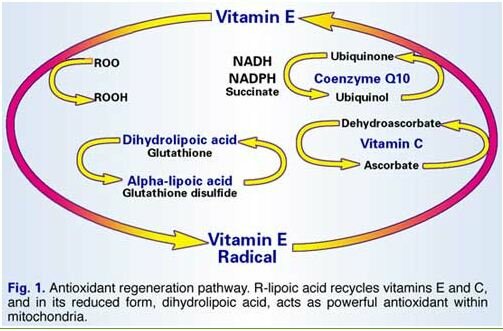
<p style="margin-bottom: 0in; background: #ffffff;"><span style="color: #000000;"><span style="font-family: Georgia, serif;"><span style="font-family: Arial, sans-serif;"><strong>Antioxidants are molecules that freely gives away their outer electrons.</strong></span><span style="font-family: Arial, sans-serif;"> Thus, they will give the free radical its needed electron to return it back to a stable compound. Now, you might be thinking that these antioxidants will become free radicals. Here is the really impressive aspect of this process. </span><span style="font-family: Arial, sans-serif;"><strong>They do not become free radicals because they are stable in either form (with or without an even number of electrons in their outer orbit).</strong></span><span style="font-family: Arial, sans-serif;"> This stability allows them to act as free radical scavengers to help prevent cell and tissue damage. </span></span></span></p>
<h2 style="text-align: center;"><span style="color: #000000;"><span style="font-family: Arial, sans-serif;"><span style="font-size: medium;"><strong>3 Most Common Antioxidants</strong></span></span></span></h2>
<p style="margin-bottom: 0in; background: #ffffff;"><span style="color: #000000;"><span style="font-family: Arial, sans-serif;">If it weren’t for the remarkable stability of these compounds, as they freely give their electrons to stabilize free radicals, we would age quite rapidly. The three most commonly known antioxidants are: </span></span></p>
<ul>
<li>
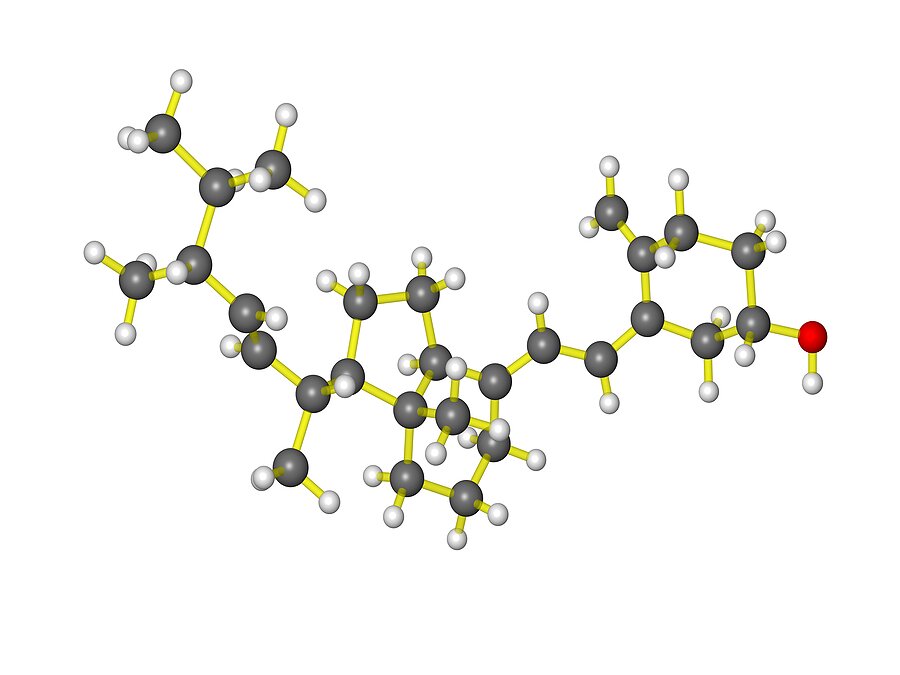
<p style="margin-bottom: 0in; background: #ffffff;"><span style="color: #000000;"><span style="font-family: Georgia, serif;"><span style="font-family: Arial, sans-serif;"><strong>Vitamin E (d-alpha tocopherol) is the most abundant fat-soluble antioxidant</strong></span><span style="font-family: Arial, sans-serif;"> in the body. It may protect against cardiovascular disease and is commonly found in nuts, seeds, vegetable and fish oils, whole grains, and certain fruits. </span></span></span></p>
</li>
</ul>
<ul>
<li>
<p style="margin-bottom: 0in; background: #ffffff;"><span style="color: #000000;"><span style="font-family: Georgia, serif;"><span style="font-family: Arial, sans-serif;"><strong>Vitamin C (ascorbic acid) is the most abundant water-soluble antioxidant</strong></span><span style="font-family: Arial, sans-serif;"> in the body. It has the unique ability to return Vitamin E to its active form. It is commonly found in citrus fruits and juices, green peppers, cabbage, spinach, broccoli, kale, cantaloupe, kiwi, and strawberries. </span></span></span></p>
</li>
</ul>
<ul>
<li>
<p style="margin-bottom: 0in; background: #ffffff;"><span style="color: #000000;"><span style="font-family: Georgia, serif;"><span style="font-family: Arial, sans-serif;"><strong>Beta-carotene (precursor to Vitamin A) is the most misunderstood of all these compounds.</strong></span><span style="font-family: Arial, sans-serif;"> It&#8217;s commonly found in liver, egg yolk, milk, butter, spinach, carrots, squash, broccoli, yams, tomato, cantaloupe, peaches, and grains. Beta-carotene is water-soluble and has no set RDA requirements. However, it&#8217;s the precursor to Vitamin A. Vitamin A is fat-soluble, has no antioxidant properties, and can be quite toxic when taken in excess. Because of this, most physicians warn against Beta-carotene. However, they forget that </span><span style="font-family: Arial, sans-serif;"><strong>the body controls the conversion of Beta-carotene to Vitamin A on a “needs only” basis.</strong></span><span style="font-family: Arial, sans-serif;"> Thus, your body will only make as much Vitamin A from Beta-carotene as it needs. This usually prevents any toxicity.</span></span></span></p>
</li>
</ul>
<p style="margin-bottom: 0in; background: #ffffff;"><span style="color: #000000;"><span style="font-family: Arial, sans-serif;">It&#8217;s extremely important to note that these compounds are all critical for proper health. <strong>The body cannot manufacture them.</strong> They must be supplied in the diet. That’s why nutritionists encourage us to eat a balanced diet consisting of 5-8 servings of fruits and vegetables per day.</span></span></p>
<p style="margin-bottom: 0in; background-image: initial; background-attachment: initial; background-origin: initial; background-clip: initial; background-color: #ffffff; text-align: center; background-position: initial initial; background-repeat: initial initial;"><span style="color: #000000;"><span style="font-family: Arial, sans-serif;"><span style="font-size: medium;"><strong>Additional Protection!</strong></span></span></span></p>
<p style="margin-bottom: 0in; background: #ffffff;"><span style="color: #000000;"><span style="font-family: Arial, sans-serif;">As nutritional scientists continue to explore this realm of antioxidants, and their ability to offset free radical damage, some amazing compounds are being discovered like:</span></span></p>
<ul>
<li>
<p style="margin-bottom: 0in; background: #ffffff;"><span style="color: #000000;"><span style="font-family: Georgia, serif;"><span style="font-family: Arial, sans-serif;"><strong>Alpha-Lipoic Acid – </strong></span><span style="font-family: Arial, sans-serif;">This powerful compound does double duty. Not only can it neutralize free radicals but it can also restore the antioxidant properties of vitamins C and E. Alpha-Lipoic Acid stimulates the body’s production of glutathione and assists in the absorption of coenzyme Q10. It helps to detoxify the liver, prevent cataract formation, protect nerve tissue, reduce blood cholesterol levels, and aid cells in metabolizing sugar.</span></span></span></p>
</li>
</ul>
<ul>
<li>
<p style="margin-bottom: 0in; background: #ffffff;"><span style="color: #000000;"><span style="font-family: Georgia, serif;"><span style="font-family: Arial, sans-serif;"><strong>Anthocyanidins –</strong></span><span style="font-family: Arial, sans-serif;"> This is a phytochemical that helps to lower blood pressure, inhibit clot formation, enhance vision, strengthen collagen, and enhance the blood supply to the nervous system. It can provide up to fifty times the protection of vitamin E and ten times the protection of vitamin C. </span></span></span></p>
</li>
</ul>
<ul>
<li>
<div style="margin-bottom: 0in; background: #ffffff;"><span style="color: #000000;"><span style="font-family: Georgia, serif;"><span style="font-family: Arial, sans-serif;"><strong>Coenzyme Q10 –</strong></span><span style="font-family: Arial, sans-serif;"> This compound has a structure similar to vitamin E. It&#8217;s critically important for cellular energy because it aids in metabolizing fats and carbohydrates. Since most free radicals are created in the oxidative process of creating energy, coenzyme Q10 plays a significant role in stopping free radical damage.</span></span></span></div>
</li>
</ul>
<ul>
<li>
<p style="margin-bottom: 0in; background: #ffffff;"><span style="color: #000000;"><span style="font-family: Georgia, serif;"><span style="font-family: Arial, sans-serif;"><strong>Flavonoids –</strong></span><span style="font-family: Arial, sans-serif;"> Flavonoids are chemical compounds that plants produce to protect themselves. They have very powerful antioxidant properties. There are more than 4,000 chemically unique flavonoids with many of them having greater effectiveness than vitamins C and E or beta-carotene. Science is just beginning to discover this amazing world of flavoniods.</span></span></span></p>
</li>
</ul>
<ul>
<li>
<p style="margin-bottom: 0in; background: #ffffff;"><span style="color: #000000;"><span style="font-family: Georgia, serif;"><span style="color: #000080;"><span style="font-family: Arial, sans-serif;"><strong><a title="Glutathione" href="http://www.aging-no-more.com/glutathione.html " target="_blank"><span style="color: #ff0000;" rel="nofollow">Glutathione</span></a></strong></span></span><span style="font-family: Arial, sans-serif;"><strong> –</strong></span><span style="font-family: Arial, sans-serif;"> </span><span style="color: #000000;"><span style="font-family: Arial, sans-serif;"><strong>Glutathione is a powerful antioxidant produced in the liver</strong></span></span><span style="font-family: Arial, sans-serif;"> from the amino acids cysteine, glutamic acid and glycine. Glutathione neutralizes the oxygen molecule before it can harm the cell. Additionally, it can combine with other molecules like selenium to create other powerful antioxidants. Glutathione is critically important to your health. It protects individual cells as well as the tissues of the arteries, brain, heart, immune system, kidneys, eyes, liver, lungs, and skin. </span></span></span></p>
</li>
</ul>
<ul>
<li>
<p style="margin-bottom: 0in; background: #ffffff;"><span style="color: #000000;"><span style="font-family: Georgia, serif;"><span style="font-family: Arial, sans-serif;"><strong>Melatonin –</strong></span><span style="font-family: Arial, sans-serif;"> This hormone has the ability to penetrate the cell’s mitochondria and protect it from free radical damage. Most of the cell’s energy is produced by the mitochondria. Since energy production creates free radicals, compounds specific to the mitochondria play a huge role in protecting cell function.</span></span></span></p>
</li>
</ul>
<ul>
<li>
<p style="margin-bottom: 0in; background: #ffffff;"><span style="color: #000000;"><span style="font-family: Georgia, serif;"><span style="font-family: Arial, sans-serif;"><strong>OPCs –</strong></span><span style="font-family: Arial, sans-serif;"> Oligomeric Proanthocyanidins are unique flavonoids that can cross the blood-brain barrier to protect the brain and spinal nerves against free radical damage. OPCs are found in plant life. The two main sources are pine bark extract (commonly called </span><span style="font-family: Arial, sans-serif;"><strong>Pycnogenol</strong></span><span style="font-family: Arial, sans-serif;">) and grape seed extract. </span></span></span></p>
</li>
</ul>
<ul>
<li>
<p style="margin-bottom: 0in; background: #ffffff;"><span style="color: #000000;"><span style="font-family: Georgia, serif;"><span style="font-family: Arial, sans-serif;"><strong>Polyphenols –</strong></span><span style="font-family: Arial, sans-serif;"> This is a phytochemical produced by plants. They have antioxidant, antibacterial, antiviral, and other health-enhancing properties.</span></span></span></p>
</li>
</ul>
<ul>
<li>
<p style="margin-bottom: 0in; background: #ffffff;"><span style="color: #000000;"><span style="font-family: Georgia, serif;"><span style="font-family: Arial, sans-serif;"><strong>Selenium –</strong></span><span style="font-family: Arial, sans-serif;"> This is an essential trace mineral which partners with vitamin E to provide oxidative protection. Use caution when taking supplemental selenium. The recommended maximum safe dosage is 400 micrograms daily. </span></span></span></p>
</li>
</ul>
<ul>
<li>
<p style="margin-bottom: 0in; background: #ffffff;"><span style="color: #000000;"><span style="font-family: Georgia, serif;"><span style="font-family: Arial, sans-serif;"><strong>Superoxide Dismutase –</strong></span><span style="font-family: Arial, sans-serif;"> This is an enzyme that helps to revitalize cells and reduce the rate of cell destruction. It&#8217;s particular important in neutralizing the most dangerous free radicals called superoxide radicals. These free radicals breakdown the synovial fluid which lubricates the body’s joints leading to joint friction and inflammation.</span></span></span></p>
</li>
</ul>
<ul>
<li>
<p style="margin-bottom: 0in; background: #ffffff;"><span style="color: #000000;"><span style="font-family: Georgia, serif;"><span style="font-family: Arial, sans-serif;"><strong>Zinc –</strong></span><span style="font-family: Arial, sans-serif;"> This mineral’s main function is in the prevention of fat oxidation.</span></span></span></p>
</li>
</ul>
<p style="margin-bottom: 0in; background: #ffffff;"><span style="color: #000000;"><span style="font-family: Arial, sans-serif;"><span style="font-size: medium;"><strong>Final Notes</strong></span></span></span></p>
<p style="margin-bottom: 0in; background: #ffffff;"><span style="color: #000000;"><span style="font-family: Georgia, serif;"><span style="font-family: Arial, sans-serif;"><strong>This is just the tip of the iceberg regarding antioxidants.</strong></span><span style="font-family: Arial, sans-serif;"> This post doesn’t even cover some of the newly discovered super foods like </span><span style="color: #000080;"><span style="font-family: Arial, sans-serif;"><strong><a title="Mistica - Brazillian Acai" href="http://www.aging-no-more.com/mistica.html" target="_blank"><span style="color: #ff0000;" rel="nofollow">Brazilian Acai</span></a></strong></span></span><span style="font-family: Arial, sans-serif;"> which have tremendous anti aging properties and heart health benefits. </span><span style="font-family: Arial, sans-serif;"><strong>It&#8217;s important to note that antioxidants work synergistically in providing their protection against free radical damage.</strong></span><span style="font-family: Arial, sans-serif;"> Thus, it&#8217;s better to take smaller doses of a variety of these compounds than just a large amount of only one type. For most fruits and vegetables the majority of the beneficial properties are contained in the skin. </span></span></span></p>
<p style="margin-bottom: 0in; background: #ffffff;"><span style="color: #000000;"><span style="font-family: Arial, sans-serif;">Since free radical damage is the leading cause of many cardiovascular health issues it makes perfect sense to consume foods and products that contain antioxidants. This reduces free radical damage to help slow down the oxidative damage done to your <span style="color: #000080;"><strong><a title="Endothelial Cells" href="http://no-more-heart-disease.com/endothelial-cells/" target="_blank"><span style="color: #ff0000;" rel="nofollow">endothelial cells</span></a></strong></span>. Cells that are critically important to the proper production of nitric oxide, your body&#8217;s master signaling molecule for the cardiovascular system..</span></span></p>
<h4 style="margin-bottom: 0in;"><span style="font-family: Arial, sans-serif;"><span style="font-size: medium;">Together we can work to save a million lives!</span></span></h4>
<p style="margin-bottom: 0in;"><span style="font-family: Arial, sans-serif;">Dan Hammer</span></p>
<p style="margin-bottom: 0in;"><span style="font-family: Arial, sans-serif;"><strong>Dan Hammer is a Wellness Educator who has a background in biology, chemistry and exercise physiology. He used to run one of the largest health club operations in the Chicago area and has been helping people with their wellness issues for more than 25 years. </strong></span></p>
<p><span style="font-family: Arial, sans-serif;"><span style="font-size: x-small;">The information contained in this article is for general information purposes only and never as a substitute for professional medical advice or medical exam. The information about Antioxidants contained in this article has not been evaluated by the Food and Drug Administration and should not be used to diagnose, treat, cure or prevent any disease without the supervision of a qualified medical doctor.</span></span></p>
<p style="margin-bottom: 0in;">
]]></content:encoded>
			<wfw:commentRss>http://no-more-heart-disease.com/oxygen-free-radicals-and-antioxidants/feed/</wfw:commentRss>
		<slash:comments>2</slash:comments>
		</item>
		<item>
		<title>Energy Production and Cardiovascular Health!</title>
		<link>http://no-more-heart-disease.com/energy-production-and-cardiovascular-health/</link>
		<comments>http://no-more-heart-disease.com/energy-production-and-cardiovascular-health/#comments</comments>
		<pubDate>Wed, 07 Jul 2010 18:01:13 +0000</pubDate>
		<dc:creator>Dan Hammer</dc:creator>
				<category><![CDATA[Athletic Performance]]></category>
		<category><![CDATA[Endothelial Cells]]></category>
		<category><![CDATA[Heart Disease]]></category>
		<category><![CDATA[Nitric Oxide]]></category>
		<category><![CDATA[ProArgi-9 Plus]]></category>
		<category><![CDATA[Aerobic Oxygen]]></category>
		<category><![CDATA[Aerobic Respiration]]></category>
		<category><![CDATA[Aerobic Respiration Anaerobic Respiration]]></category>
		<category><![CDATA[Anaerobic Respiration]]></category>
		<category><![CDATA[Biochemistry Class]]></category>
		<category><![CDATA[Blood Filters]]></category>
		<category><![CDATA[Blood Stream]]></category>
		<category><![CDATA[Blood Sugar]]></category>
		<category><![CDATA[Burning Sensation]]></category>
		<category><![CDATA[Byproduct]]></category>
		<category><![CDATA[Cardiovascular Health]]></category>
		<category><![CDATA[Cells Tissues]]></category>
		<category><![CDATA[Energy Production]]></category>
		<category><![CDATA[Glucose]]></category>
		<category><![CDATA[Irritant]]></category>
		<category><![CDATA[Kreb]]></category>
		<category><![CDATA[Mitochondria]]></category>
		<category><![CDATA[Organs]]></category>
		<category><![CDATA[Stock Option]]></category>
		<category><![CDATA[Storage Bins]]></category>
		<category><![CDATA[Units Of Energy]]></category>
		<category><![CDATA[Waste Material]]></category>

		<guid isPermaLink="false">http://no-more-heart-disease.com/?p=1888</guid>
		<description><![CDATA[<p style="margin-bottom: 0in;">I was going through some storage bins over the weekend and came across this crazy drawing of energy production you see on the left. It&#8217;s from my biochemistry class in college, and it has a direct application to cardiovascular health. In fact, once you understand it you will realize how important good circulation [...]]]></description>
			<content:encoded><![CDATA[<p style="margin-bottom: 0in;"><span style="font-family: Arial, sans-serif;"><img class="alignleft size-medium wp-image-1887" title="Krebs Cycle" src="http://no-more-heart-disease.com/wp-content/uploads/2010/07/Krebs-Cycle-239x300.jpg" alt="Energy" width="239" height="300" />I was going through some storage bins over the weekend and came across this crazy drawing of energy production you see on the left. It&#8217;s from my biochemistry class in college, and it has a direct application to cardiovascular health. In fact, once you understand it you will realize how important good circulation is to your health and your ability to produce energy.</span></p>
<p style="margin-bottom: 0in;"><span style="font-family: Arial, sans-serif;">It looks pretty confusing but let me help you understand it by asking you a very simple question:</span></p>
<p style="text-align: center; margin-bottom: 0in;"><span style="font-family: Arial, sans-serif;"><span style="font-size: medium;"><strong>If You Had a Stock Option That Paid You a Return of 2% or 36% Which Would You Choose?</strong></span></span></p>
<p style="margin-bottom: 0in;"><span style="font-family: Arial, sans-serif;">Every person I&#8217;ve ever asked this question to always chooses 36%. Why? Because it returns a higher yield. Well, this is the difference in energy production between anaerobic respiration and aerobic respiration.</span></p>
<h1 style="text-align: center;"><span style="font-family: Arial, sans-serif;"><span style="font-size: medium;"><strong>Anaerobic Respiration – Energy Production Without Oxygen!</strong></span></span></h1>
<p style="margin-bottom: 0in;"><span style="font-family: Arial, sans-serif;">The top half of this drawing represents the energy production achieved by anaerobic respiration. As your blood filters through the liver, glucose (blood sugar) is added to your blood stream. This is carried to your cells to be converted into energy. When your cell lacks oxygen it uses a chemical process called anaerobic respiration to convert the glucose into energy. </span><span style="font-family: Arial, sans-serif;"><strong>It&#8217;s extremely inefficient and the net result is just 2 units of energy.</strong></span></p>
<p style="margin-bottom: 0in;"><span style="font-family: Arial, sans-serif;">Plus it produces a byproduct called pyruvic acid. If oxygen is not present then the cell converts this pyruvic acid to lactic acid. This allows the cell to continue to produce a small quantity of energy. However, lactic acid is an irritant. It causes that burning sensation you feel when you&#8217;ve overused a muscle and it interferes with proper cell function.</span></p>
<p style="margin-bottom: 0in;"><span style="font-family: Arial, sans-serif;"><strong>The net result of anaerobic respiration is poor energy production and a large amount of waste material that disrupts the proper function of the cells, tissues, and organs.</strong></span></p>
<h2 style="text-align: center;"><span style="font-family: Arial, sans-serif;"><span style="font-size: medium;"><strong>Aerobic Respiration – Energy Production With Oxygen!</strong></span></span></h2>
<p style="text-align: center; margin-bottom: 0in;"><span style="font-family: Arial, sans-serif;">When oxygen is present the pyruvic acid will enter the mitochondria of your cells to be used in the Kreb&#8217;s cycle. </span><span style="font-family: Arial, sans-serif;"><strong>(If you think this drawing is confusing and crazy you should see the drawing for the Kreb&#8217;s cycle.)</strong></span><span style="font-family: Arial, sans-serif;"> Think of your mitochondria as an energy producing factory.</span></p>
<p style="margin-bottom: 0in;"><span style="font-family: Arial, sans-serif;"><strong>This process will take that one unit of glucose and convert it into 36 units of energy.</strong></span><span style="font-family: Arial, sans-serif;"> This is 18 times more productive than anaerobic respiration. Plus, the waste products are carbon dioxide and water. You breath out carbon dioxide and you eliminate any excess water. Neither of these two waste products damage your cells, tissues, and organs. </span></p>
<p style="margin-bottom: 0in;"><span style="font-family: Arial, sans-serif;"><span style="font-weight: normal;">While aerobic respiration can cause oxidative stress to cells,</span></span><span style="font-family: Arial, sans-serif;"><strong> the net result is large energy production with waste material that is not disruptive to the proper functioning of your cells, tissues, and organs.</strong></span></p>
<p style="text-align: center; margin-bottom: 0in;"><span style="font-family: Arial, sans-serif;"><span style="font-size: medium;"><strong>Government versus Private Sector</strong></span></span></p>
<p style="margin-bottom: 0in;"><span style="font-family: Arial, sans-serif;">Some have even compared this process of energy production to the difference between government run programs and private sector programs. </span><span style="font-family: Arial, sans-serif;"><strong>Anaerobic respiration,</strong></span><span style="font-family: Arial, sans-serif;"> like the government, is very inefficient and produces only a </span><span style="font-family: Arial, sans-serif;"><strong>small return on investment; 1 unit of glucose yields 2 units of energy with bureaucratic red tape that can clog and slow down the system.</strong></span></p>
<p style="margin-bottom: 0in;"><span style="font-family: Arial, sans-serif;"><strong>Aerobic respiration,</strong></span><span style="font-family: Arial, sans-serif;"> like the private sector, is very efficient and produces a </span><span style="font-family: Arial, sans-serif;"><strong>large return on investment; 1 unit of glucose yields 36 units of energy</strong></span><span style="font-family: Arial, sans-serif;"> with an assembly line that is highly productive but also needs proper maintenance to continue its accelerated production. </span></p>
<p style="text-align: center; margin-bottom: 0in;"><span style="font-family: Arial, sans-serif;"><span style="font-size: medium;"><strong>What Does All This Have To Do With Cardiovascular Health?</strong></span></span></p>
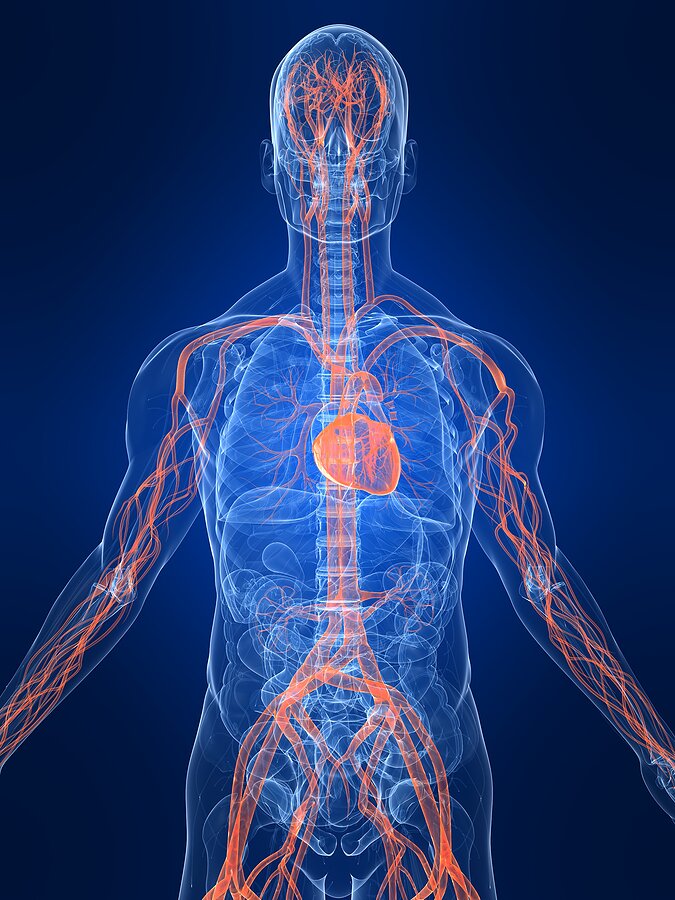
<p style="margin-bottom: 0in;"><span style="font-family: Arial, sans-serif;">Your red blood cells carry oxygen to your tissues and cells. If your cardiovascular system is damaged by<span style="color: #ff0000;"><span style="color: #ff0000;"> </span><a title="Cholesterol" href="http://no-more-heart-disease.com/cholesterol/" target="_self"><strong><span style="color: #ff0000;">cholesterol</span></strong></a></span>, excess sugar that causes oxidative stress, plaque formations, and other contributing factors, then you begin to limit blood flow. </span><span style="font-family: Arial, sans-serif;"><strong>This damage limits the delivery of oxygen and causes your cells to depend more on anaerobic respiration for their energy needs.</strong></span><span style="font-family: Arial, sans-serif;"> </span></p>
<p style="margin-bottom: 0in;"><span style="font-family: Arial, sans-serif;">Because anaerobic respiration can&#8217;t keep up with the needs of the cells, the cells have to slow down. They become less efficient and sluggish in their job. </span><span style="font-family: Arial, sans-serif;"><strong>Compound this with the waste products produced from anaerobic respiration and you have a cycle that leads to poor organ health and poor overall wellness.</strong></span></p>
<p style="text-align: center; margin-bottom: 0in;"><span style="font-family: Arial, sans-serif;"><span style="font-size: medium;"><strong>The Key to Reversing This Cycle!</strong></span></span></p>
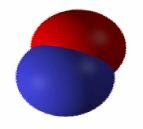
<p style="margin-bottom: 0in;"><span style="font-family: Arial, sans-serif;"><span style="font-weight: normal;">The key to reversing this degenerating cycle</span></span><span style="font-family: Arial, sans-serif;"><strong> is to improve blood circulation by repairing the damage caused to the </strong></span><span style="color: #000080;"><span style="font-family: Arial, sans-serif;"><strong><span style="color: #000000;">endothelial cells</span></strong></span></span><span style="font-family: Arial, sans-serif;"> that line all of your cardiovascular system. As you improve the health of your <span style="color: #ff0000;"><strong><a title="Endothelial Cells" href="http://no-more-heart-disease.com/endothelial-cells/" target="_blank"><span style="color: #ff0000;">endothelial cells</span></a></strong></span> they are able to properly produce nitric oxide. </span><span style="font-family: Arial, sans-serif;"><strong>Nitric oxide is the master signaling molecule of the cardiovascular system.</strong></span><span style="font-family: Arial, sans-serif;"> This means that nitric oxide is needed to properly regulate blood flow to the cells, tissues, and organs. </span></p>
<p style="margin-bottom: 0in;"><span style="font-family: Arial, sans-serif;"><span style="font-weight: normal;">This dramatically improves blood flow, which then delivers more oxygen.</span></span><span style="font-family: Arial, sans-serif;"> More oxygen produces more energy and waste products that are easily transported away from the cells, tissues, and organs. </span><span style="font-family: Arial, sans-serif;"><strong>The net result is improved organ function, improved energy, and a higher level of overall wellness.</strong></span></p>
<p style="margin-bottom: 0in;"><span style="font-family: Arial, sans-serif;">By properly combining the amino acids L-arginine and L-citrulline with key antioxidants you can repair your endothelial cells and improve their ability to create nitric oxide. </span><span style="font-family: Arial, sans-serif;"><strong>This has been </strong></span><span style="color: #000080;"><span style="font-family: Arial, sans-serif;"><strong><a title="High Desert Heart Institute Study" href="http://no-more-heart-disease.com/high-desert-heart-institute-study/" target="_blank"><span style="color: #ff0000;">clinically shown to improve circulation</span></a></strong></span></span><span style="font-family: Arial, sans-serif;"><strong> and reverse many cardiovascular health issues.</strong></span><span style="font-family: Arial, sans-serif;"> It&#8217;s what makes the<span style="color: #000080;"> </span></span><span style="color: #000080;"><span style="font-family: Arial, sans-serif;"><strong><span style="color: #ff0000;"><a title="ProArgi-9 Plus" href="http://no-more-heart-disease.com/proargi-9-plus/" target="_blank"><span style="color: #000080;">ProArgi-9 Plus</span></a></span></strong></span></span><span style="font-family: Arial, sans-serif;"><span style="color: #000080;"> </span>product so effective in helping people improve their energy production and cardiovascular health.</span></p>
<p style="margin-bottom: 0in;"><span style="font-family: Arial, sans-serif;">It&#8217;s pretty amazing how improved blood flow to all your cells, tissues, and organs can make such a significant difference in your overall health. But, there is still one other factor we need to address. That factor is the need for antioxidants to help protect your cells when oxygen is used to create all this wonderful energy. We&#8217;ll talk about this in my next post.</span></p>
<p style="margin-bottom: 0in;"><span style="font-family: Arial, sans-serif;"><span style="font-size: medium;"><strong>Together we can work to save a million lives!</strong></span></span></p>
<p style="margin-bottom: 0in;"><span style="font-family: Arial, sans-serif;">Dan Hammer</span></p>
<p style="margin-bottom: 0in;"><span style="font-family: Arial, sans-serif;"><strong>Dan Hammer is a Wellness Educator who has a background in biology, chemistry and exercise physiology. He used to run one of the largest health club operations in the Chicago area and has been helping people with their wellness issues for more than 25 years.</strong> </span></p>
<h6 style="margin-bottom: 0in;">T<span style="font-family: Arial, sans-serif;"><span style="font-size: x-small;">he information contained in this article is for general information purposes only and never as a substitute for professional medical advice or medical exam. The information contained in this article about energy production and cardiovascular health has not been evaluated by the Food and Drug Administration and should not be used to diagnose, treat, cure or prevent any disease without the supervision of a qualified medical doctor.</span></span></h6>
<p style="margin-bottom: 0in;">
]]></content:encoded>
			<wfw:commentRss>http://no-more-heart-disease.com/energy-production-and-cardiovascular-health/feed/</wfw:commentRss>
		<slash:comments>2</slash:comments>
		</item>
	</channel>
</rss>