<?xml version="1.0" encoding="UTF-8"?>
<rss version="2.0"
	xmlns:content="http://purl.org/rss/1.0/modules/content/"
	xmlns:wfw="http://wellformedweb.org/CommentAPI/"
	xmlns:dc="http://purl.org/dc/elements/1.1/"
	xmlns:atom="http://www.w3.org/2005/Atom"
	xmlns:sy="http://purl.org/rss/1.0/modules/syndication/"
	xmlns:slash="http://purl.org/rss/1.0/modules/slash/"
	>

<channel>
	<title>No More Heart Disease &#187; Aging Process</title>
	<atom:link href="http://no-more-heart-disease.com/tag/aging-process/feed/" rel="self" type="application/rss+xml" />
	<link>http://no-more-heart-disease.com</link>
	<description>Learning How To Prevent Heart Disease</description>
	<lastBuildDate>Mon, 14 Nov 2011 21:21:17 +0000</lastBuildDate>
	<language>en</language>
	<sy:updatePeriod>hourly</sy:updatePeriod>
	<sy:updateFrequency>1</sy:updateFrequency>
	<generator>http://wordpress.org/?v=3.2.1</generator>
		<item>
		<title>Oxygen, Free Radicals, and Antioxidants!</title>
		<link>http://no-more-heart-disease.com/oxygen-free-radicals-and-antioxidants/</link>
		<comments>http://no-more-heart-disease.com/oxygen-free-radicals-and-antioxidants/#comments</comments>
		<pubDate>Thu, 08 Jul 2010 00:49:10 +0000</pubDate>
		<dc:creator>Dan Hammer</dc:creator>
				<category><![CDATA[Heart Disease]]></category>
		<category><![CDATA[Aerobic Respiration]]></category>
		<category><![CDATA[Aging Process]]></category>
		<category><![CDATA[Anaerobic Respiration]]></category>
		<category><![CDATA[Antioxidants]]></category>
		<category><![CDATA[Cardiovascular Health]]></category>
		<category><![CDATA[Cardiovascular System]]></category>
		<category><![CDATA[Chain Reaction]]></category>
		<category><![CDATA[Creating Energy]]></category>
		<category><![CDATA[Endothelial Cells]]></category>
		<category><![CDATA[Energy Production]]></category>
		<category><![CDATA[Free Radical Damage]]></category>
		<category><![CDATA[Free Radical Scavengers]]></category>
		<category><![CDATA[Free Radicals]]></category>
		<category><![CDATA[Free Radicals And Antioxidants]]></category>
		<category><![CDATA[Impressive Aspect]]></category>
		<category><![CDATA[Molecule]]></category>
		<category><![CDATA[Number Of Electrons]]></category>
		<category><![CDATA[Outer Electrons]]></category>
		<category><![CDATA[Outer Orbit]]></category>
		<category><![CDATA[Oxygen]]></category>
		<category><![CDATA[Oxygen Free Radicals]]></category>
		<category><![CDATA[Stable Compound]]></category>
		<category><![CDATA[Tissue Damage]]></category>
		<category><![CDATA[Unbalanced State]]></category>
		<category><![CDATA[Unstable Atom]]></category>

		<guid isPermaLink="false">http://no-more-heart-disease.com/?p=1908</guid>
		<description><![CDATA[<p style="margin-bottom: 0in;">I&#8217;d like to share with you some information about the power of antioxidants. </p>
<p style="margin-bottom: 0in;">In my last post “Energy Production and Cardiovascular Health!” we talked about how aerobic respiration produces 18 times more energy than anaerobic respiration. How the proper use of oxygen by your cells&#8217; mitochondria is a powerful tool for [...]]]></description>
			<content:encoded><![CDATA[<p style="margin-bottom: 0in;"><span style="font-family: Arial, sans-serif;"><img class="alignright size-medium wp-image-1369" title="Lady and Apple" src="http://no-more-heart-disease.com/wp-content/uploads/2009/12/j0405548-Lady-and-Apple-300x200.jpg" alt="Antioxidants" width="300" height="200" /></span><span style="font-family: Arial, sans-serif;">I&#8217;d like to share with you some information about the power of antioxidants. </span></p>
<p style="margin-bottom: 0in;"><span style="font-family: Arial, sans-serif;">In my last post <strong>“<a href="http://no-more-heart-disease.com/energy-production-and-cardiovascular-health/"><span style="color: #ff0000;">Energy Production and Cardiovascular Health!</span></a>”</strong> we talked about how aerobic respiration produces 18 times more energy than anaerobic respiration. How the proper use of oxygen by your cells&#8217; mitochondria is a powerful tool for creating energy. However, when oxygen is used it also creates free radicals which can damage your cells. To prevent this damage you need antioxidants. This post will examine the need for antioxidants to fight free radical damage.</span></p>
<p style="margin-bottom: 0in; text-align: center;"><span style="font-family: Arial, sans-serif;"><span style="font-size: medium;"><strong>What&#8217;s A Free Radical?</strong></span></span></p>
<p style="margin-bottom: 0in;"><span style="font-family: Arial, sans-serif;">No, it&#8217;s not a 1960s hippie from Berkeley. Rather,</span><span style="font-family: Arial, sans-serif;"><strong> it is an unstable atom or molecule.</strong></span><span style="font-family: Arial, sans-serif;"> In very simple terms a free radical is an atom or molecule that is missing an electron in its outer orbit. Because of this unbalanced state the free radical will try to steal an electron from a different atom or molecule to stabilize itself. This process causes the affected atom or molecule to become unstable resulting in a new free radical. The result is a chain reaction that can continue until the final free radical steals an electron from a cell wall resulting in the disruption of a living cell. </span><span style="font-family: Arial, sans-serif;"><strong>This constant process of free radicals stealing electrons from living tissue results in the aging process we all experience. </strong></span><span style="font-family: Arial, sans-serif;"><span style="font-weight: normal;">It&#8217;s also a major cause of damage to the endothelial cells that line all of your cardiovascular system.</span></span><span style="font-family: Arial, sans-serif;"> </span></p>
<h1 style="text-align: center;"><span style="color: #000000;"><span style="font-family: Arial, sans-serif;"><span style="font-size: medium;"><strong>What Are Antioxidants?</strong></span></span></span></h1>
<p style="margin-bottom: 0in; background: #ffffff;"><span style="color: #000000;"><span style="font-family: Georgia, serif;"><span style="font-family: Arial, sans-serif;"><strong>Antioxidants are molecules that freely gives away their outer electrons.</strong></span><span style="font-family: Arial, sans-serif;"> Thus, they will give the free radical its needed electron to return it back to a stable compound. Now, you might be thinking that these antioxidants will become free radicals. Here is the really impressive aspect of this process. </span><span style="font-family: Arial, sans-serif;"><strong>They do not become free radicals because they are stable in either form (with or without an even number of electrons in their outer orbit).</strong></span><span style="font-family: Arial, sans-serif;"> This stability allows them to act as free radical scavengers to help prevent cell and tissue damage. </span></span></span></p>
<h2 style="text-align: center;"><span style="color: #000000;"><span style="font-family: Arial, sans-serif;"><span style="font-size: medium;"><strong>3 Most Common Antioxidants</strong></span></span></span></h2>
<p style="margin-bottom: 0in; background: #ffffff;"><span style="color: #000000;"><span style="font-family: Arial, sans-serif;">If it weren’t for the remarkable stability of these compounds, as they freely give their electrons to stabilize free radicals, we would age quite rapidly. The three most commonly known antioxidants are: </span></span></p>
<ul>
<li>
<p style="margin-bottom: 0in; background: #ffffff;"><span style="color: #000000;"><span style="font-family: Georgia, serif;"><span style="font-family: Arial, sans-serif;"><strong>Vitamin E (d-alpha tocopherol) is the most abundant fat-soluble antioxidant</strong></span><span style="font-family: Arial, sans-serif;"> in the body. It may protect against cardiovascular disease and is commonly found in nuts, seeds, vegetable and fish oils, whole grains, and certain fruits. </span></span></span></p>
</li>
</ul>
<ul>
<li>
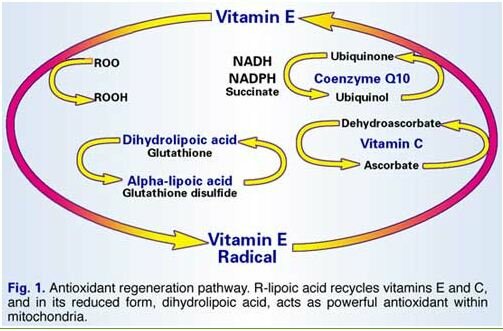
<p style="margin-bottom: 0in; background: #ffffff;"><span style="color: #000000;"><span style="font-family: Georgia, serif;"><span style="font-family: Arial, sans-serif;"><strong>Vitamin C (ascorbic acid) is the most abundant water-soluble antioxidant</strong></span><span style="font-family: Arial, sans-serif;"> in the body. It has the unique ability to return Vitamin E to its active form. It is commonly found in citrus fruits and juices, green peppers, cabbage, spinach, broccoli, kale, cantaloupe, kiwi, and strawberries. </span></span></span></p>
</li>
</ul>
<ul>
<li>
<p style="margin-bottom: 0in; background: #ffffff;"><span style="color: #000000;"><span style="font-family: Georgia, serif;"><span style="font-family: Arial, sans-serif;"><strong>Beta-carotene (precursor to Vitamin A) is the most misunderstood of all these compounds.</strong></span><span style="font-family: Arial, sans-serif;"> It&#8217;s commonly found in liver, egg yolk, milk, butter, spinach, carrots, squash, broccoli, yams, tomato, cantaloupe, peaches, and grains. Beta-carotene is water-soluble and has no set RDA requirements. However, it&#8217;s the precursor to Vitamin A. Vitamin A is fat-soluble, has no antioxidant properties, and can be quite toxic when taken in excess. Because of this, most physicians warn against Beta-carotene. However, they forget that </span><span style="font-family: Arial, sans-serif;"><strong>the body controls the conversion of Beta-carotene to Vitamin A on a “needs only” basis.</strong></span><span style="font-family: Arial, sans-serif;"> Thus, your body will only make as much Vitamin A from Beta-carotene as it needs. This usually prevents any toxicity.</span></span></span></p>
</li>
</ul>
<p style="margin-bottom: 0in; background: #ffffff;"><span style="color: #000000;"><span style="font-family: Arial, sans-serif;">It&#8217;s extremely important to note that these compounds are all critical for proper health. <strong>The body cannot manufacture them.</strong> They must be supplied in the diet. That’s why nutritionists encourage us to eat a balanced diet consisting of 5-8 servings of fruits and vegetables per day.</span></span></p>
<p style="margin-bottom: 0in; background-image: initial; background-attachment: initial; background-origin: initial; background-clip: initial; background-color: #ffffff; text-align: center; background-position: initial initial; background-repeat: initial initial;"><span style="color: #000000;"><span style="font-family: Arial, sans-serif;"><span style="font-size: medium;"><strong>Additional Protection!</strong></span></span></span></p>
<p style="margin-bottom: 0in; background: #ffffff;"><span style="color: #000000;"><span style="font-family: Arial, sans-serif;">As nutritional scientists continue to explore this realm of antioxidants, and their ability to offset free radical damage, some amazing compounds are being discovered like:</span></span></p>
<ul>
<li>
<p style="margin-bottom: 0in; background: #ffffff;"><span style="color: #000000;"><span style="font-family: Georgia, serif;"><span style="font-family: Arial, sans-serif;"><strong>Alpha-Lipoic Acid – </strong></span><span style="font-family: Arial, sans-serif;">This powerful compound does double duty. Not only can it neutralize free radicals but it can also restore the antioxidant properties of vitamins C and E. Alpha-Lipoic Acid stimulates the body’s production of glutathione and assists in the absorption of coenzyme Q10. It helps to detoxify the liver, prevent cataract formation, protect nerve tissue, reduce blood cholesterol levels, and aid cells in metabolizing sugar.</span></span></span></p>
</li>
</ul>
<ul>
<li>
<p style="margin-bottom: 0in; background: #ffffff;"><span style="color: #000000;"><span style="font-family: Georgia, serif;"><span style="font-family: Arial, sans-serif;"><strong>Anthocyanidins –</strong></span><span style="font-family: Arial, sans-serif;"> This is a phytochemical that helps to lower blood pressure, inhibit clot formation, enhance vision, strengthen collagen, and enhance the blood supply to the nervous system. It can provide up to fifty times the protection of vitamin E and ten times the protection of vitamin C. </span></span></span></p>
</li>
</ul>
<ul>
<li>
<div style="margin-bottom: 0in; background: #ffffff;"><span style="color: #000000;"><span style="font-family: Georgia, serif;"><span style="font-family: Arial, sans-serif;"><strong>Coenzyme Q10 –</strong></span><span style="font-family: Arial, sans-serif;"> This compound has a structure similar to vitamin E. It&#8217;s critically important for cellular energy because it aids in metabolizing fats and carbohydrates. Since most free radicals are created in the oxidative process of creating energy, coenzyme Q10 plays a significant role in stopping free radical damage.</span></span></span></div>
</li>
</ul>
<ul>
<li>
<p style="margin-bottom: 0in; background: #ffffff;"><span style="color: #000000;"><span style="font-family: Georgia, serif;"><span style="font-family: Arial, sans-serif;"><strong>Flavonoids –</strong></span><span style="font-family: Arial, sans-serif;"> Flavonoids are chemical compounds that plants produce to protect themselves. They have very powerful antioxidant properties. There are more than 4,000 chemically unique flavonoids with many of them having greater effectiveness than vitamins C and E or beta-carotene. Science is just beginning to discover this amazing world of flavoniods.</span></span></span></p>
</li>
</ul>
<ul>
<li>
<p style="margin-bottom: 0in; background: #ffffff;"><span style="color: #000000;"><span style="font-family: Georgia, serif;"><span style="color: #000080;"><span style="font-family: Arial, sans-serif;"><strong><a title="Glutathione" href="http://www.aging-no-more.com/glutathione.html " target="_blank"><span style="color: #ff0000;" rel="nofollow">Glutathione</span></a></strong></span></span><span style="font-family: Arial, sans-serif;"><strong> –</strong></span><span style="font-family: Arial, sans-serif;"> </span><span style="color: #000000;"><span style="font-family: Arial, sans-serif;"><strong>Glutathione is a powerful antioxidant produced in the liver</strong></span></span><span style="font-family: Arial, sans-serif;"> from the amino acids cysteine, glutamic acid and glycine. Glutathione neutralizes the oxygen molecule before it can harm the cell. Additionally, it can combine with other molecules like selenium to create other powerful antioxidants. Glutathione is critically important to your health. It protects individual cells as well as the tissues of the arteries, brain, heart, immune system, kidneys, eyes, liver, lungs, and skin. </span></span></span></p>
</li>
</ul>
<ul>
<li>
<p style="margin-bottom: 0in; background: #ffffff;"><span style="color: #000000;"><span style="font-family: Georgia, serif;"><span style="font-family: Arial, sans-serif;"><strong>Melatonin –</strong></span><span style="font-family: Arial, sans-serif;"> This hormone has the ability to penetrate the cell’s mitochondria and protect it from free radical damage. Most of the cell’s energy is produced by the mitochondria. Since energy production creates free radicals, compounds specific to the mitochondria play a huge role in protecting cell function.</span></span></span></p>
</li>
</ul>
<ul>
<li>
<p style="margin-bottom: 0in; background: #ffffff;"><span style="color: #000000;"><span style="font-family: Georgia, serif;"><span style="font-family: Arial, sans-serif;"><strong>OPCs –</strong></span><span style="font-family: Arial, sans-serif;"> Oligomeric Proanthocyanidins are unique flavonoids that can cross the blood-brain barrier to protect the brain and spinal nerves against free radical damage. OPCs are found in plant life. The two main sources are pine bark extract (commonly called </span><span style="font-family: Arial, sans-serif;"><strong>Pycnogenol</strong></span><span style="font-family: Arial, sans-serif;">) and grape seed extract. </span></span></span></p>
</li>
</ul>
<ul>
<li>
<p style="margin-bottom: 0in; background: #ffffff;"><span style="color: #000000;"><span style="font-family: Georgia, serif;"><span style="font-family: Arial, sans-serif;"><strong>Polyphenols –</strong></span><span style="font-family: Arial, sans-serif;"> This is a phytochemical produced by plants. They have antioxidant, antibacterial, antiviral, and other health-enhancing properties.</span></span></span></p>
</li>
</ul>
<ul>
<li>
<p style="margin-bottom: 0in; background: #ffffff;"><span style="color: #000000;"><span style="font-family: Georgia, serif;"><span style="font-family: Arial, sans-serif;"><strong>Selenium –</strong></span><span style="font-family: Arial, sans-serif;"> This is an essential trace mineral which partners with vitamin E to provide oxidative protection. Use caution when taking supplemental selenium. The recommended maximum safe dosage is 400 micrograms daily. </span></span></span></p>
</li>
</ul>
<ul>
<li>
<p style="margin-bottom: 0in; background: #ffffff;"><span style="color: #000000;"><span style="font-family: Georgia, serif;"><span style="font-family: Arial, sans-serif;"><strong>Superoxide Dismutase –</strong></span><span style="font-family: Arial, sans-serif;"> This is an enzyme that helps to revitalize cells and reduce the rate of cell destruction. It&#8217;s particular important in neutralizing the most dangerous free radicals called superoxide radicals. These free radicals breakdown the synovial fluid which lubricates the body’s joints leading to joint friction and inflammation.</span></span></span></p>
</li>
</ul>
<ul>
<li>
<p style="margin-bottom: 0in; background: #ffffff;"><span style="color: #000000;"><span style="font-family: Georgia, serif;"><span style="font-family: Arial, sans-serif;"><strong>Zinc –</strong></span><span style="font-family: Arial, sans-serif;"> This mineral’s main function is in the prevention of fat oxidation.</span></span></span></p>
</li>
</ul>
<p style="margin-bottom: 0in; background: #ffffff;"><span style="color: #000000;"><span style="font-family: Arial, sans-serif;"><span style="font-size: medium;"><strong>Final Notes</strong></span></span></span></p>
<p style="margin-bottom: 0in; background: #ffffff;"><span style="color: #000000;"><span style="font-family: Georgia, serif;"><span style="font-family: Arial, sans-serif;"><strong>This is just the tip of the iceberg regarding antioxidants.</strong></span><span style="font-family: Arial, sans-serif;"> This post doesn’t even cover some of the newly discovered super foods like </span><span style="color: #000080;"><span style="font-family: Arial, sans-serif;"><strong><a title="Mistica - Brazillian Acai" href="http://www.aging-no-more.com/mistica.html" target="_blank"><span style="color: #ff0000;" rel="nofollow">Brazilian Acai</span></a></strong></span></span><span style="font-family: Arial, sans-serif;"> which have tremendous anti aging properties and heart health benefits. </span><span style="font-family: Arial, sans-serif;"><strong>It&#8217;s important to note that antioxidants work synergistically in providing their protection against free radical damage.</strong></span><span style="font-family: Arial, sans-serif;"> Thus, it&#8217;s better to take smaller doses of a variety of these compounds than just a large amount of only one type. For most fruits and vegetables the majority of the beneficial properties are contained in the skin. </span></span></span></p>
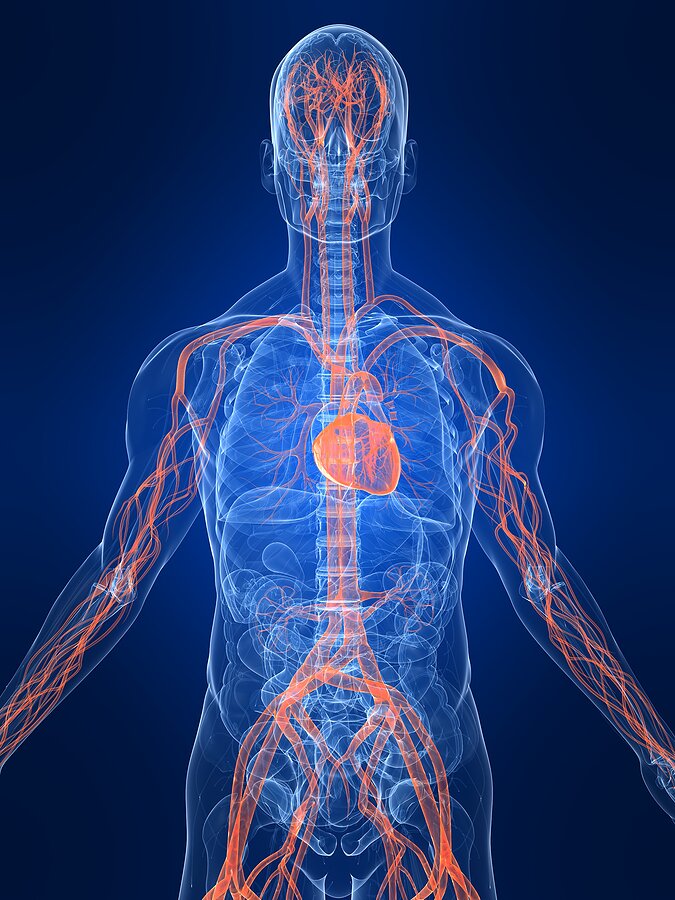
<p style="margin-bottom: 0in; background: #ffffff;"><span style="color: #000000;"><span style="font-family: Arial, sans-serif;">Since free radical damage is the leading cause of many cardiovascular health issues it makes perfect sense to consume foods and products that contain antioxidants. This reduces free radical damage to help slow down the oxidative damage done to your <span style="color: #000080;"><strong><a title="Endothelial Cells" href="http://no-more-heart-disease.com/endothelial-cells/" target="_blank"><span style="color: #ff0000;" rel="nofollow">endothelial cells</span></a></strong></span>. Cells that are critically important to the proper production of nitric oxide, your body&#8217;s master signaling molecule for the cardiovascular system..</span></span></p>
<h4 style="margin-bottom: 0in;"><span style="font-family: Arial, sans-serif;"><span style="font-size: medium;">Together we can work to save a million lives!</span></span></h4>
<p style="margin-bottom: 0in;"><span style="font-family: Arial, sans-serif;">Dan Hammer</span></p>
<p style="margin-bottom: 0in;"><span style="font-family: Arial, sans-serif;"><strong>Dan Hammer is a Wellness Educator who has a background in biology, chemistry and exercise physiology. He used to run one of the largest health club operations in the Chicago area and has been helping people with their wellness issues for more than 25 years. </strong></span></p>
<p><span style="font-family: Arial, sans-serif;"><span style="font-size: x-small;">The information contained in this article is for general information purposes only and never as a substitute for professional medical advice or medical exam. The information about Antioxidants contained in this article has not been evaluated by the Food and Drug Administration and should not be used to diagnose, treat, cure or prevent any disease without the supervision of a qualified medical doctor.</span></span></p>
<p style="margin-bottom: 0in;">
]]></content:encoded>
			<wfw:commentRss>http://no-more-heart-disease.com/oxygen-free-radicals-and-antioxidants/feed/</wfw:commentRss>
		<slash:comments>2</slash:comments>
		</item>
		<item>
		<title>Is No More Heart Disease Possible?</title>
		<link>http://no-more-heart-disease.com/is-no-more-heart-disease-possible/</link>
		<comments>http://no-more-heart-disease.com/is-no-more-heart-disease-possible/#comments</comments>
		<pubDate>Sun, 02 Aug 2009 22:42:19 +0000</pubDate>
		<dc:creator>Dan Hammer</dc:creator>
				<category><![CDATA[Heart Disease]]></category>
		<category><![CDATA[Aging Process]]></category>
		<category><![CDATA[American Heart Association]]></category>
		<category><![CDATA[American Institute For Cancer Research]]></category>
		<category><![CDATA[Cancer Research Fund]]></category>
		<category><![CDATA[Cardiovascular Disease]]></category>
		<category><![CDATA[Cardiovascular System]]></category>
		<category><![CDATA[Circulatory System]]></category>
		<category><![CDATA[Disease Accounts]]></category>
		<category><![CDATA[Dr Ignarro]]></category>
		<category><![CDATA[Dr Louis Ignarro]]></category>
		<category><![CDATA[Environmental Factors]]></category>
		<category><![CDATA[Expert Report]]></category>
		<category><![CDATA[Heart Attack]]></category>
		<category><![CDATA[Heart Attacks]]></category>
		<category><![CDATA[Joseph Prendergast]]></category>
		<category><![CDATA[National Stroke Association]]></category>
		<category><![CDATA[Necessary Steps]]></category>
		<category><![CDATA[Nobel Prize In Medicine]]></category>
		<category><![CDATA[Research Expert]]></category>
		<category><![CDATA[Risk Of Heart Disease]]></category>
		<category><![CDATA[Significant Health]]></category>
		<category><![CDATA[Stroke]]></category>
		<category><![CDATA[World Cancer Research Fund]]></category>

		<guid isPermaLink="false">http://no-more-heart-disease.com/?p=76</guid>
		<description><![CDATA[<p>Heart disease accounts for approximately 35% of all deaths.  It is estimated by the American Heart Association that 80 million Americans have some form of cardiovascular disease.  In researching and writing more than 100 articles for my Aging No More website, one very important theme keeps reoccurring. If you take the necessary steps to improve [...]]]></description>
			<content:encoded><![CDATA[<p>Heart disease accounts for approximately 35% of all deaths.  It is estimated by the <strong>American Heart Association</strong> that 80 million Americans have some form of cardiovascular disease.  <img class="alignleft size-medium wp-image-111" title="Doctors" src="http://no-more-heart-disease.com/wp-content/uploads/2009/07/j0422773-300x300.jpg" alt="Doctors" width="210" height="210" />In researching and writing more than 100 articles for my <a title="Aging No More Website" href="http://www.aging-no-more.com" target="_blank"><span style="color: #000080;"><strong>Aging No More</strong> </span></a>website, one very important theme keeps reoccurring. If you take the necessary steps to improve the health of your cardiovascular system, which includes your heart and circulatory system, you can:</p>
<p style="text-align: center;"><strong>Positively affect most of the health of your other organs and take significant steps to slow down the aging process!</strong></p>
<p>So, the question remains – <strong>Is No More Heart Disease Possible?</strong></p>
<p>Well, before I answer that question let’s look at two significant health issues and two remarkable health professionals:</p>
<p><strong><a title="Stroke Prevention" href="http://www.aging-no-more.com/stroke-prevention.html" target="_blank"><span style="color: #000080;">Stroke</span></a></strong> &#8211; According to the <strong>National Stroke Association, “. . . 80 percent of strokes are preventable!”</strong> For the most part the only difference between a stroke and a heart attack is location. A stroke occurs in the brain where as a heart attack occurs in the heart. Wouldn’t it make sense that 80 percent of heart attacks are preventable?</p>
<p><strong><a title="Cancer Prevention" href="http://www.aging-no-more.com/cancer-prevention.html" target="_blank"><span style="color: #000080;">Cancer</span></a></strong> &#8211; According to the 517 page <strong>World Cancer Research Fund/American Institute for Cancer Research Expert Report, “5 to 10% of cancers result directly from inheriting genes associated with cancer.”</strong> This means that nutrition, lifestyle and environmental factors account for the remaining 90 to 95% of cancers. Wouldn’t it make sense that nutrition, lifestyle and environmental factors would also play a significant role in heart disease?</p>
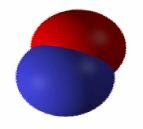
<p><a title="Dr. Louis Ignarro" href="http://www.drignarro.com/" target="_blank"><span style="color: #000080;"><strong>Dr. Louis Ignarro</strong> </span></a>– In 1998 Dr. Ignarro shared the <strong>Nobel Prize in Medicine</strong> with two other scientists for the discovery of <strong>Nitric Oxide</strong> and how it is the master signaling molecule for the cardiovascular system. In 2008, the <strong>American Heart Association </strong>selected Dr. Ignarro as a <strong>2008 Distinguished Scientist. Dr. Ignarro firmly believes that the proper use of Nitric Oxide (NO) can significantly improve the health of most cells and make a major impact on reducing the risk of heart disease.</strong></p>
<p><a title="Dr. J. Joseph Prendergast" href="http://www.endocrinemetabolic.com/about/jjp.html" target="_blank"><span style="color: #000080;"><strong>Dr. J. Joseph Prendergast</strong> </span></a>– Dr. Joe (as he prefers to call himself) is Board Certified in Internal Medicine, Endocrinology and Metabolism and has a very large patient population at the Endocrine Metabolic Medical Center in Palo Alto California. Dr. Joe is a pioneer in the potential of L-Arginine (the precursor for NO) to dramatically affect cardiovascular health. <strong>Of Dr. Joe’s large high-risk, patient population, over the last 17 years less than 1% have experienced a stroke or heart attack if they have followed his L-Arginine protocol. </strong></p>
<p>Now back to our question: <strong>Is No More Heart Disease Possible?</strong></p>
<p>No, but given the above information we can make a significant impact in making heart disease a very small problem rather than the number one killer that it currently is.  We spend millions of dollars every year on finding a cure when the most important cure is staring us in the face. <strong>It is prevention!</strong></p>
<p>This website is designed to help equip you with useful and practical knowledge that, in conjunction with your physician, will empower you to reduce your risk and help to eliminate heart disease.</p>
<p><strong>Until next time, join me in working to save a million lives!</strong></p>
<p><strong>Dan Hammer</strong></p>
<h6>The information contained in this blog is for general information purposes only and never as a substitute for professional medical advice or medical exam.  The information contain in this blogging website has not been evaluated by the Food and Drug Administration and should not be used to diagnose, treat, cure or prevent any disease without the supervision of a qualified medical doctor. </h6>

]]></content:encoded>
			<wfw:commentRss>http://no-more-heart-disease.com/is-no-more-heart-disease-possible/feed/</wfw:commentRss>
		<slash:comments>0</slash:comments>
		</item>
	</channel>
</rss>